Kurdistan Technical Institute Hosts a Panel Discussion on Monetary Policy and the Role of the Central Bank of Iraq in Regulating Exchange Rates
Date : 19 - Oct - 2026
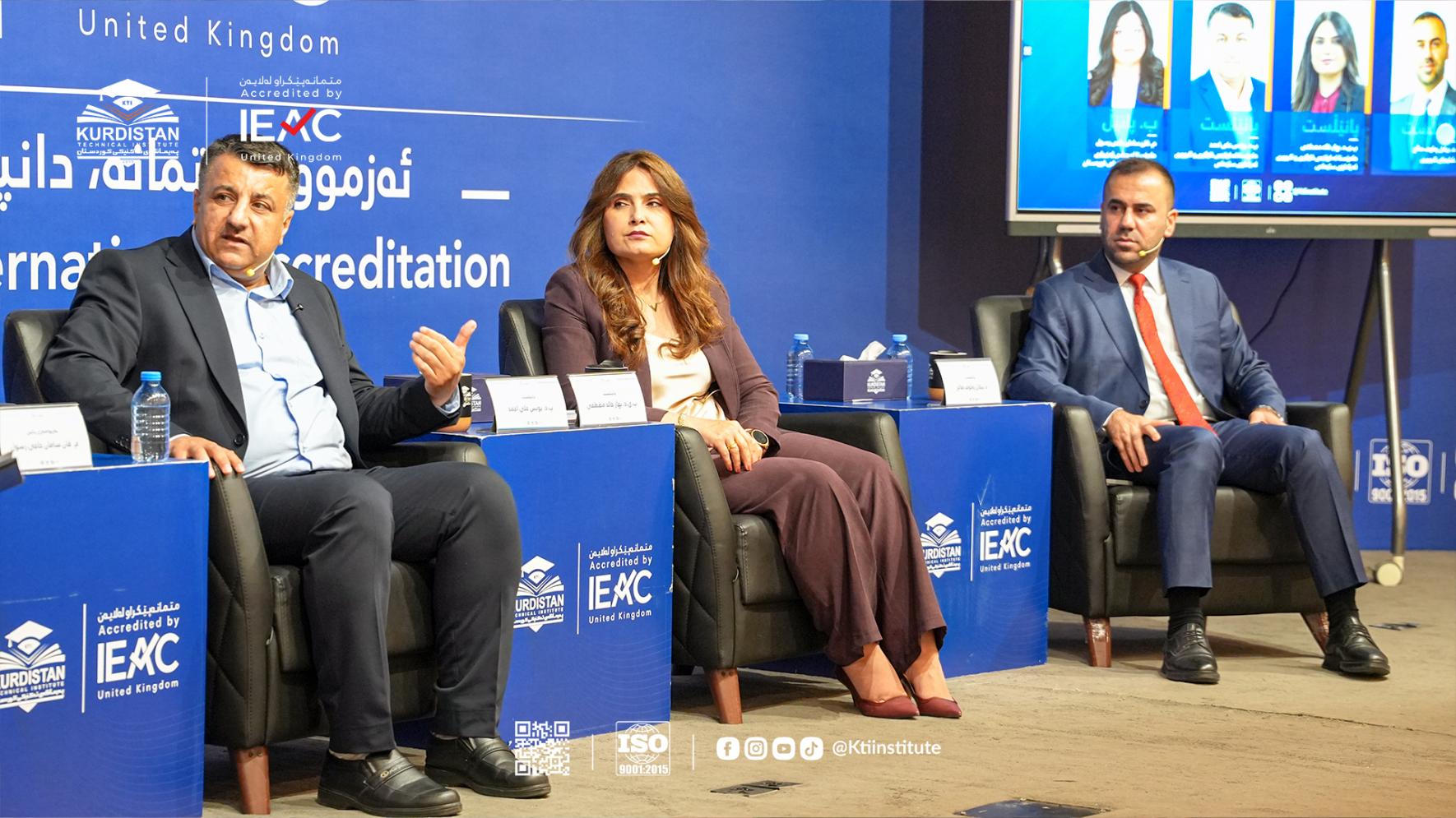
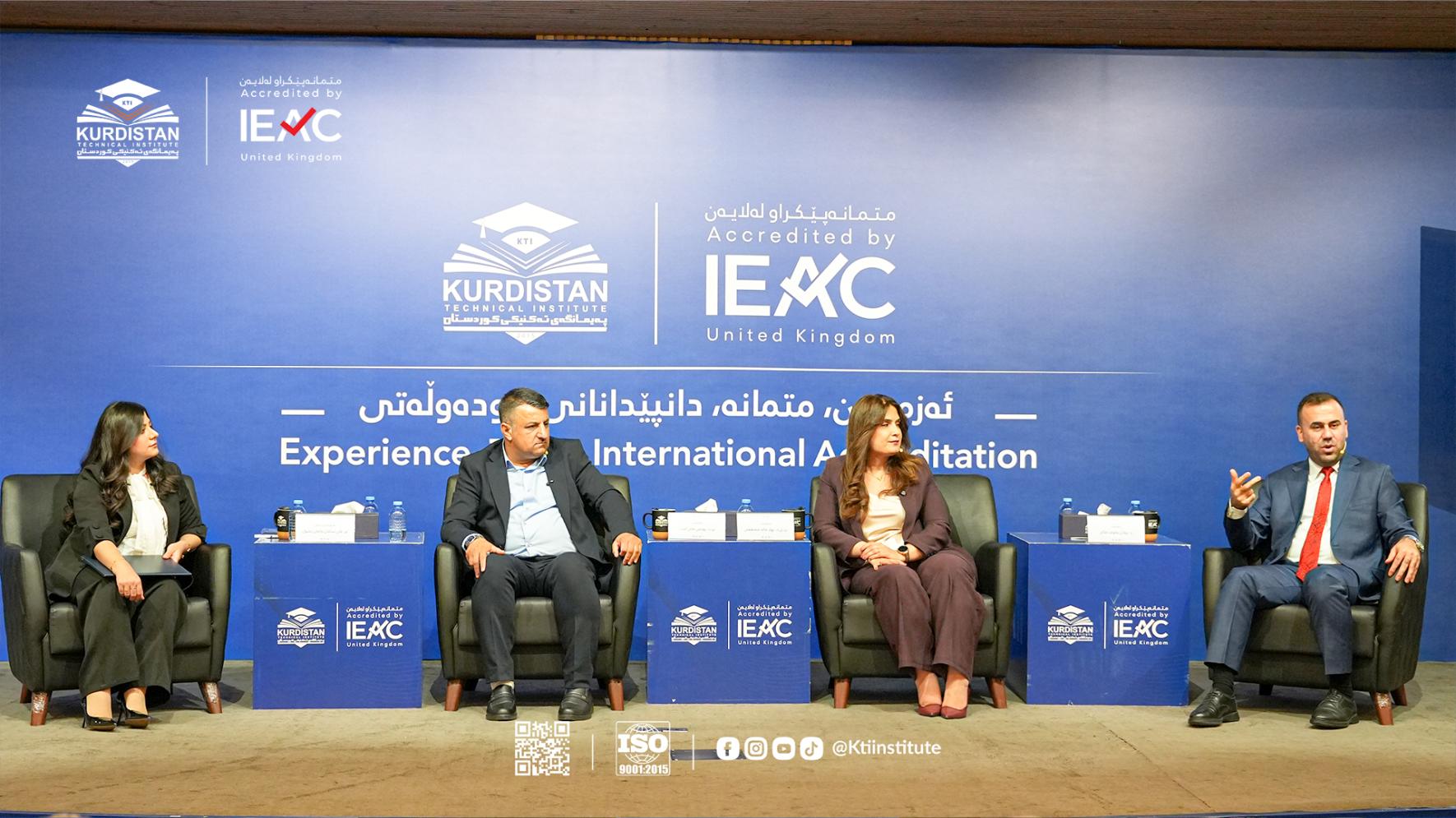
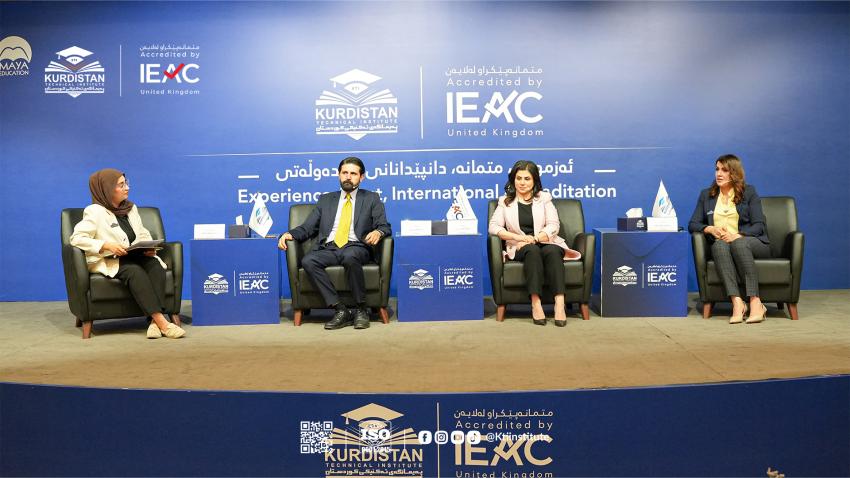
As part of its commitment to bridging academic knowledge with real-world economic dynamics, the Accounting Department at Kurdistan Technical Institute (KTI) organized a comprehensive scientific and financial panel discussion on Wednesday. The event was held under the title:
(The Role of the Central Bank of Iraq in Regulating Currency Exchange Rates and Its Financial Impacts in Light of Economic Developments) at the Institute’s Conference Hall.
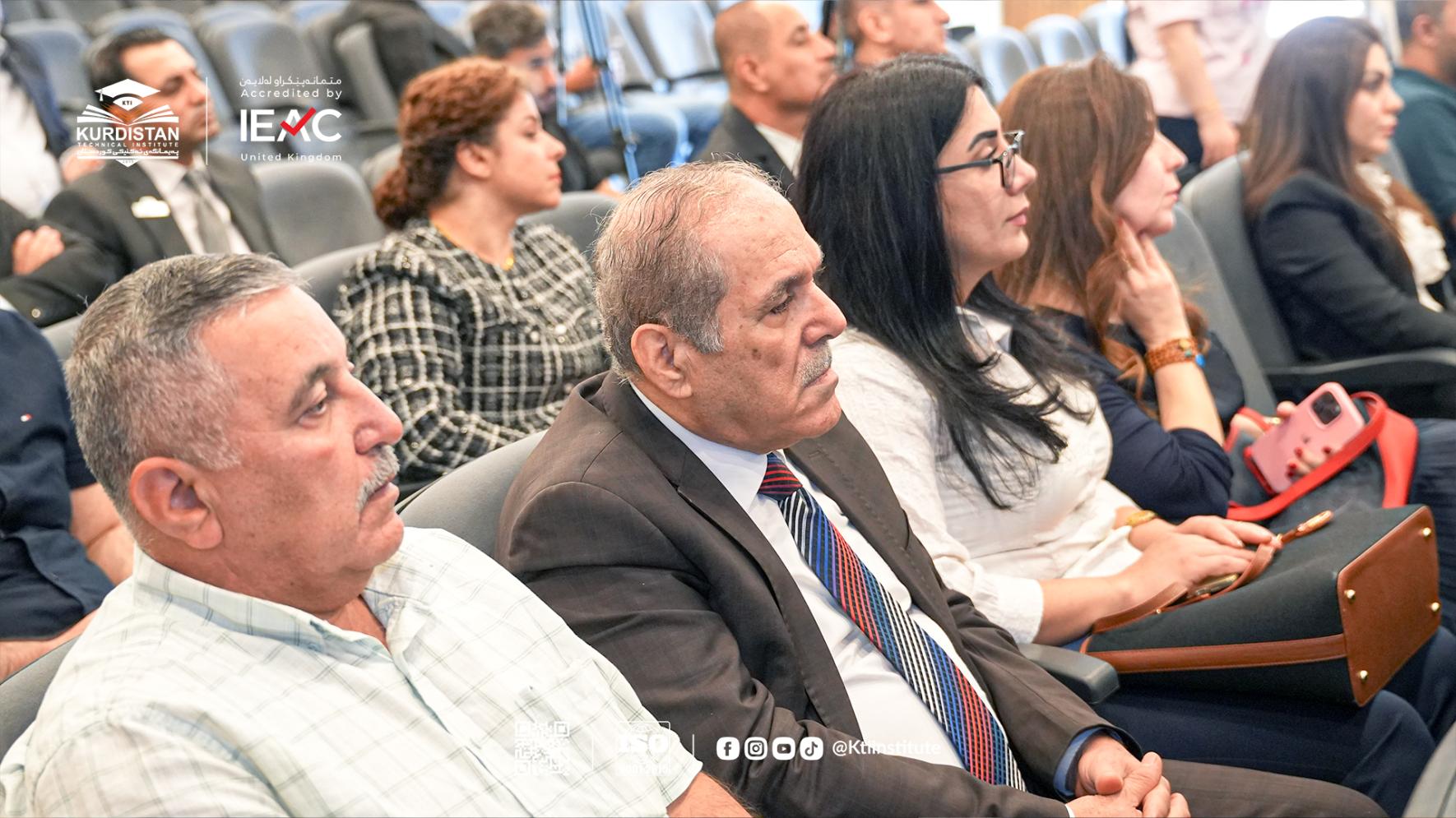
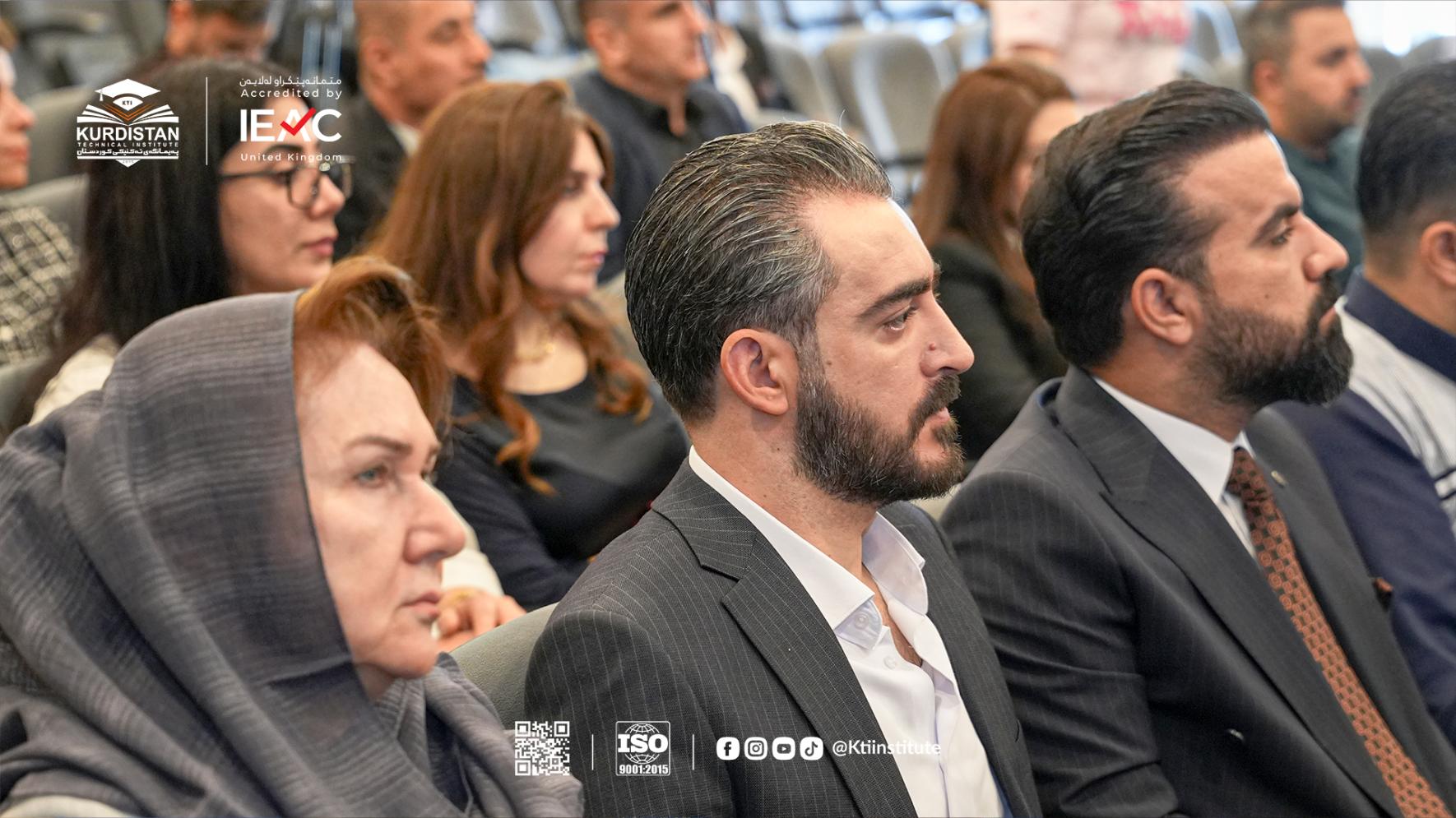
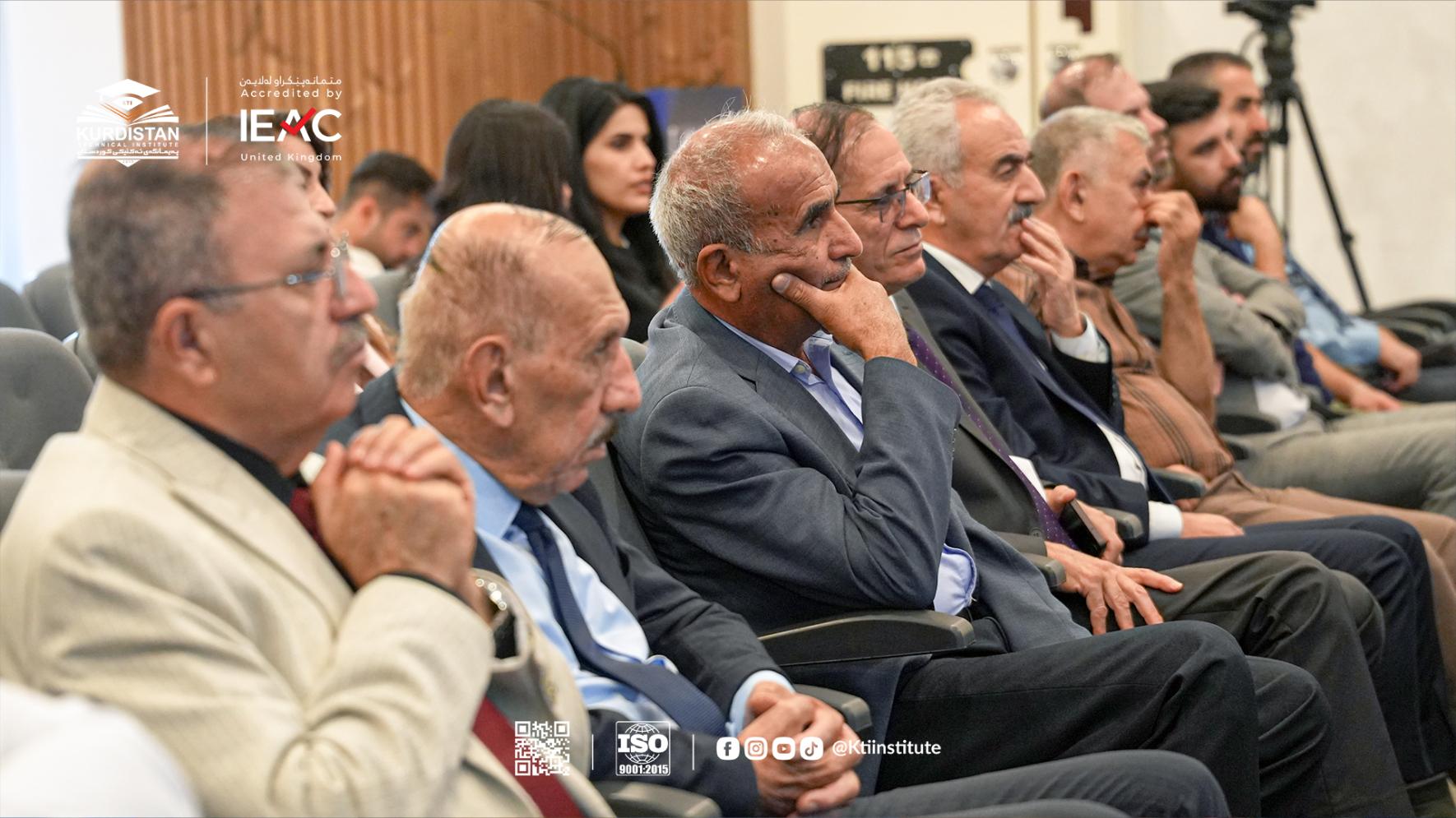
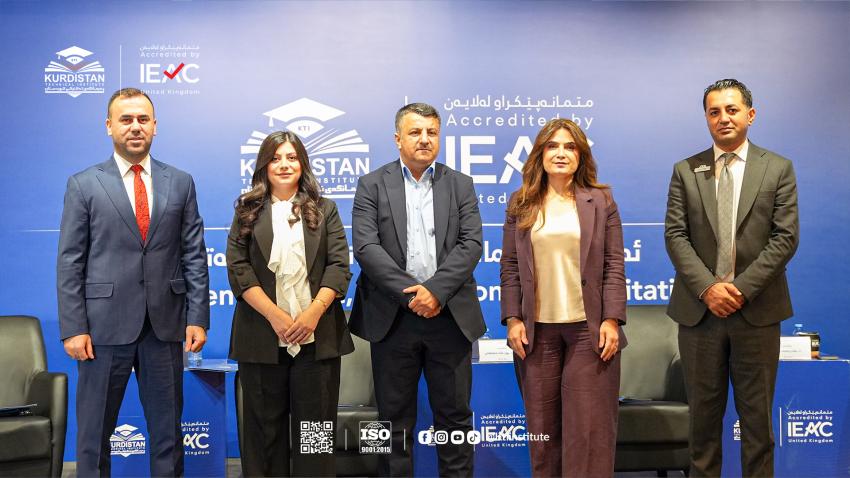
Attended by the Institute\'s deanship, faculty members, students, financial experts, and business leaders, the panel provided an in-depth academic and analytical examination of Iraq’s monetary policy, the practical challenges surrounding the Central Bank\'s independence, exchange rate volatility, and their direct consequences on citizens\' cost of living.
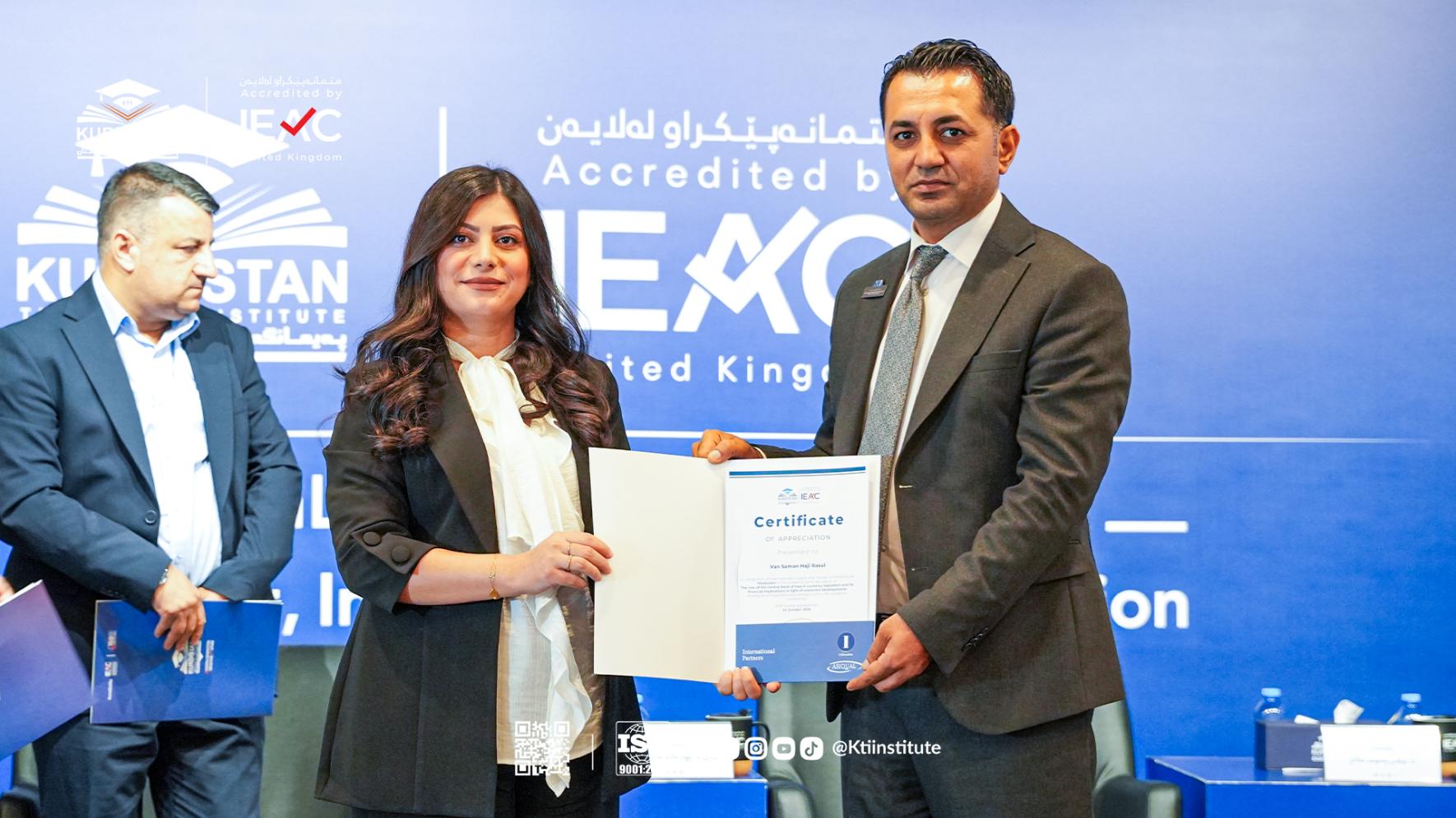
The session was moderated by Ms. Van Saman Haji Rasoul (Lecturer at the Accounting Department, Kurdistan Technical Institute), featuring three prominent experts in the fields of economics and accounting:
Interference Undermines the Central Bank’s Independence
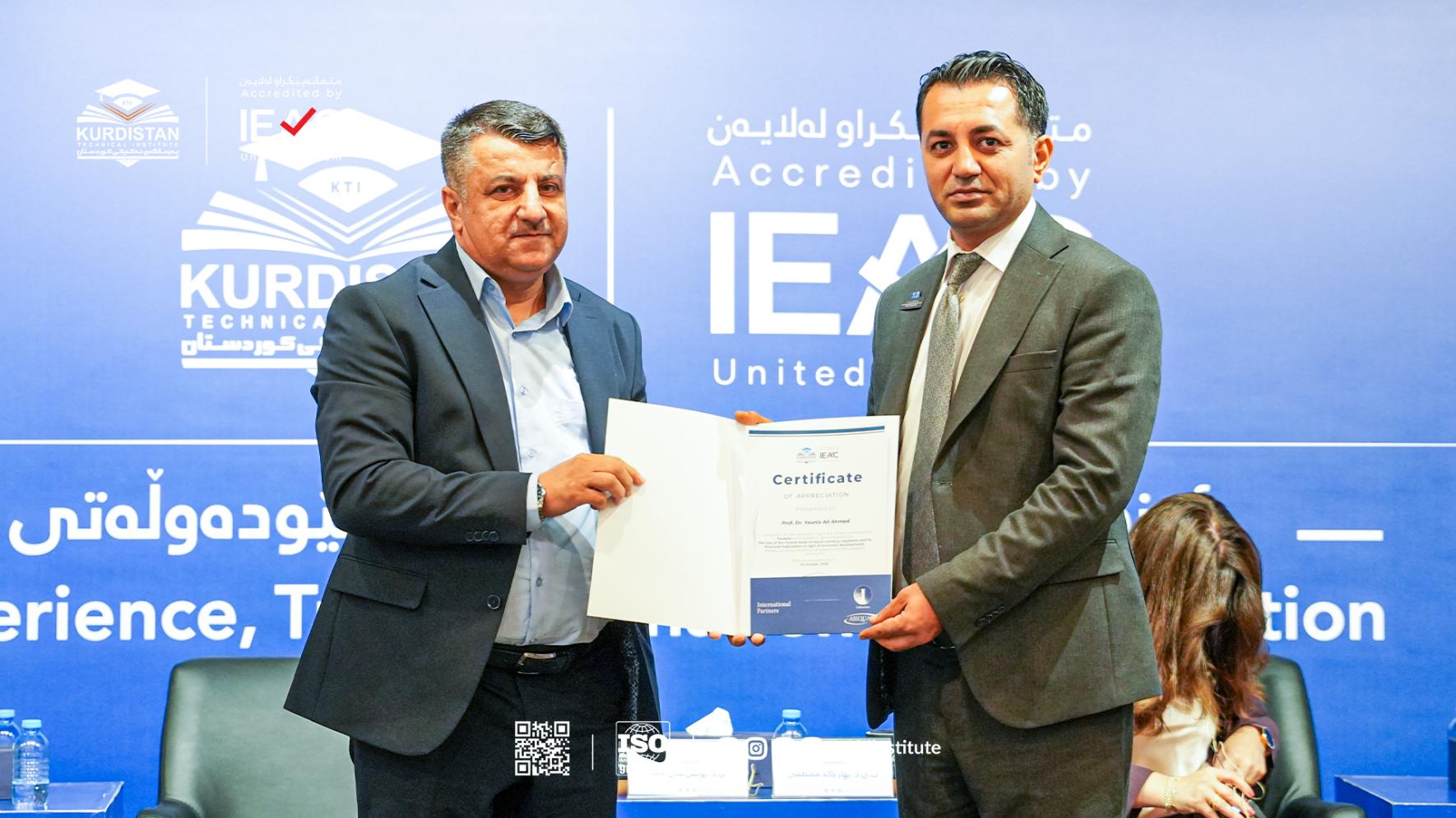
Opening the discussion, Prof. Dr. Younis Ali Ahmed (Lecturer at the College of Administration and Economics, University of Sulaimani) stated that while the Central Bank of Iraq (CBI) is constitutionally defined as an independent entity, internal political interference and external constraints—most notably restrictions imposed by the U.S. Federal Reserve on dollar allocations—have severely limited its operational autonomy. He also addressed the issue of premature leaks regarding official financial decisions, which often serve private interests at the expense of national economic stability.
Citizens Bear the Brunt of Exchange Rate Volatility
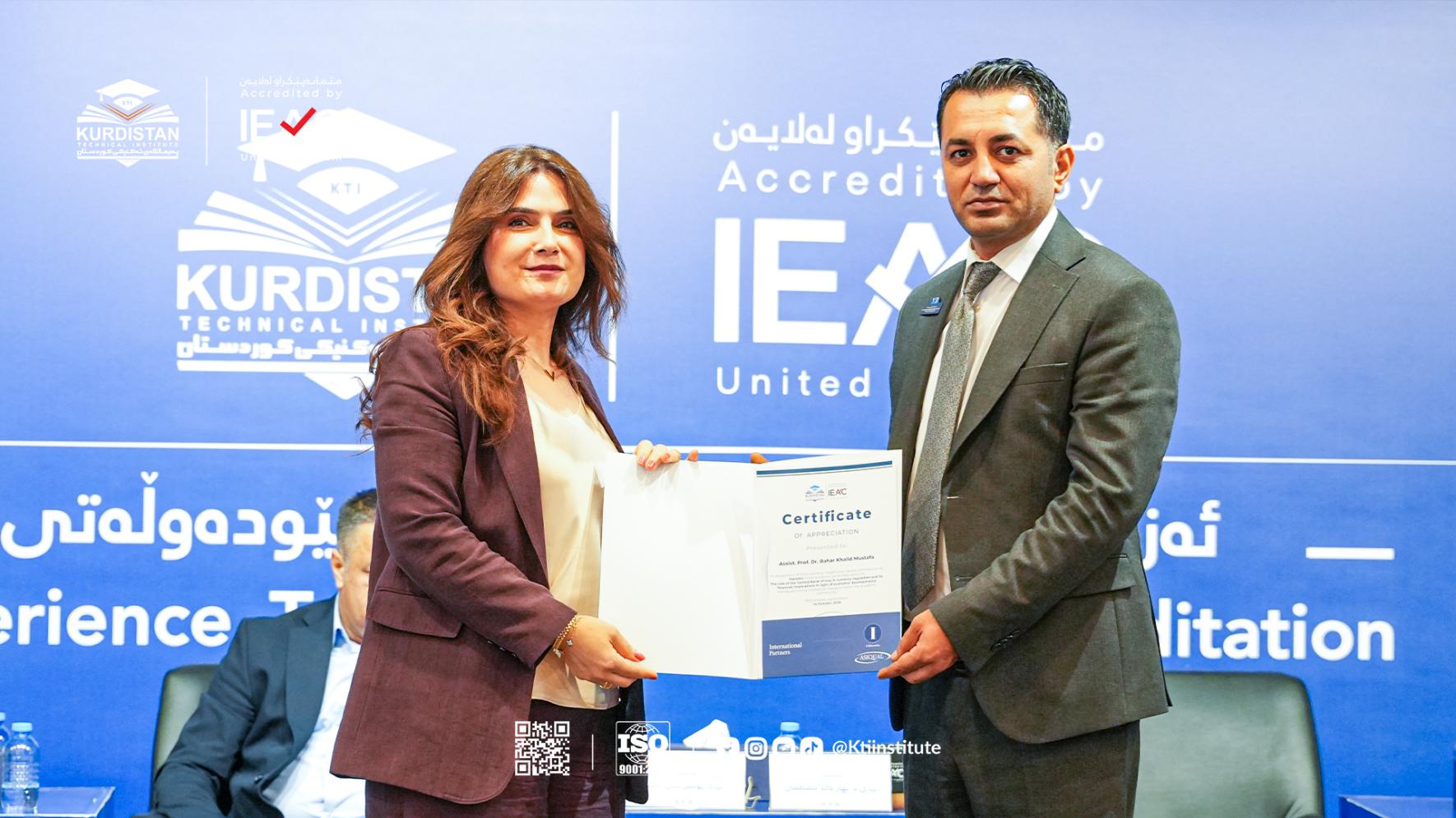
In her presentation, Asst. Prof. Dr. Bahar Khalid Mustafa (Lecturer at the College of Administration and Economics, University of Sulaimani) highlighted the vulnerable nature of Iraq’s consumer-driven and import-dependent economy. She explained that because domestic companies import goods using the U.S. Dollar, any exchange rate fluctuation immediately drives up cost structures. In the absence of institutional financial hedging mechanisms and modern accounting safeguards within local banks, the ultimate burden falls squarely on ordinary citizens and consumers.
Abrupt Decisions Disrupt Market Equilibrium
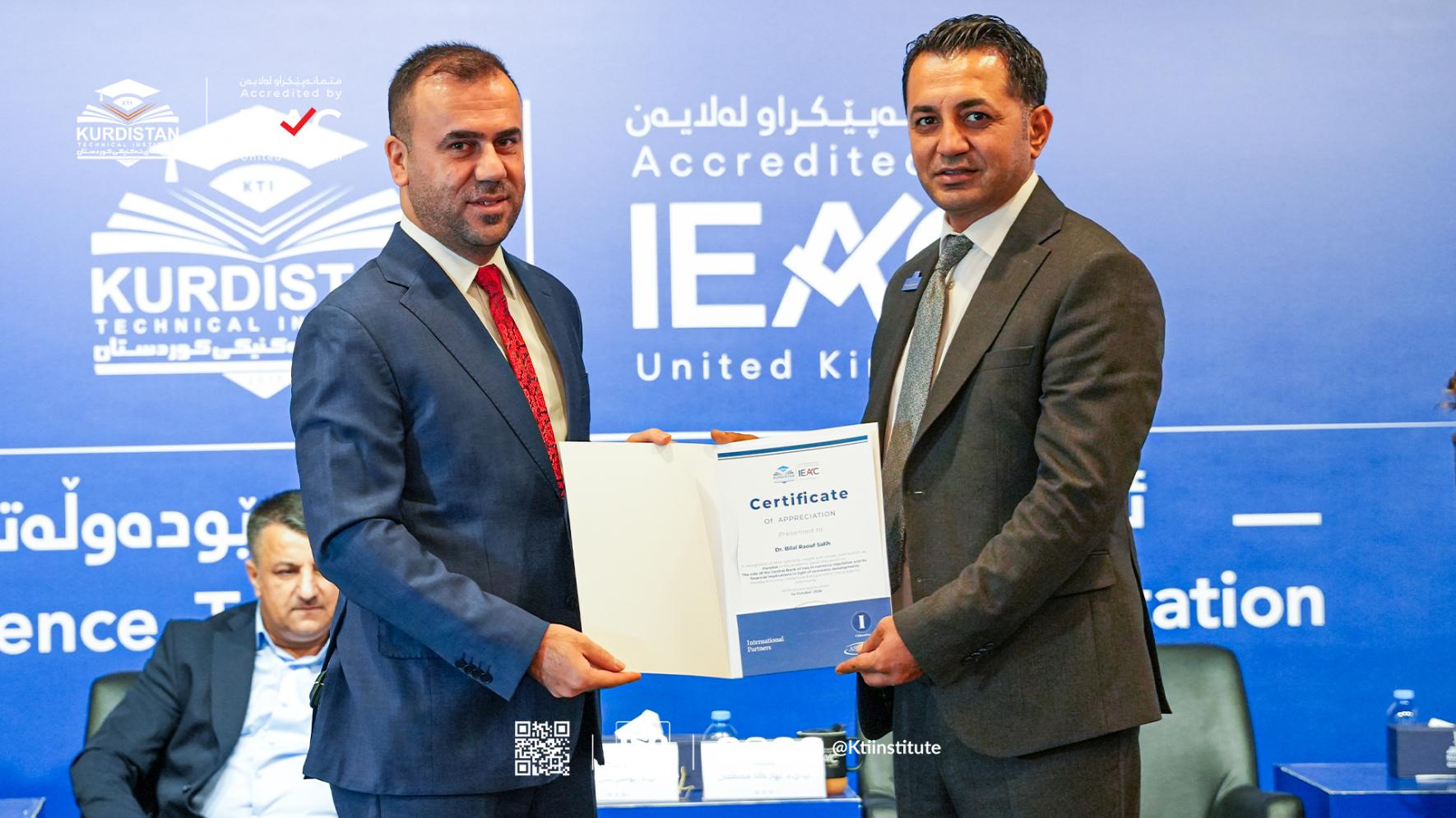
Furthermore, Dr. Bilal Rauf Salih (Economic Expert) criticized the lack of strategic foresight and adequate preparation prior to implementing major governmental monetary decisions. He pointed out that inadequate strategic inventory reserves, compounded by stringent U.S. Treasury oversight, have left both the Iraqi government and the CBI with restricted instruments to curb inflation and maintain market stability.
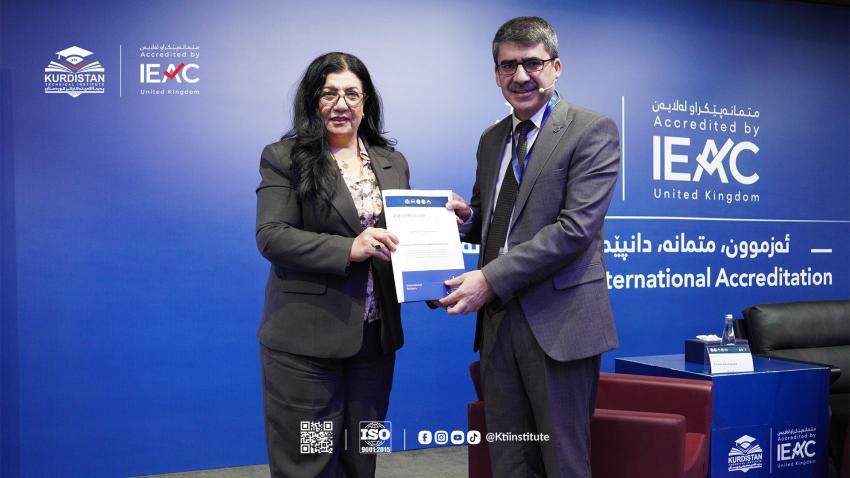
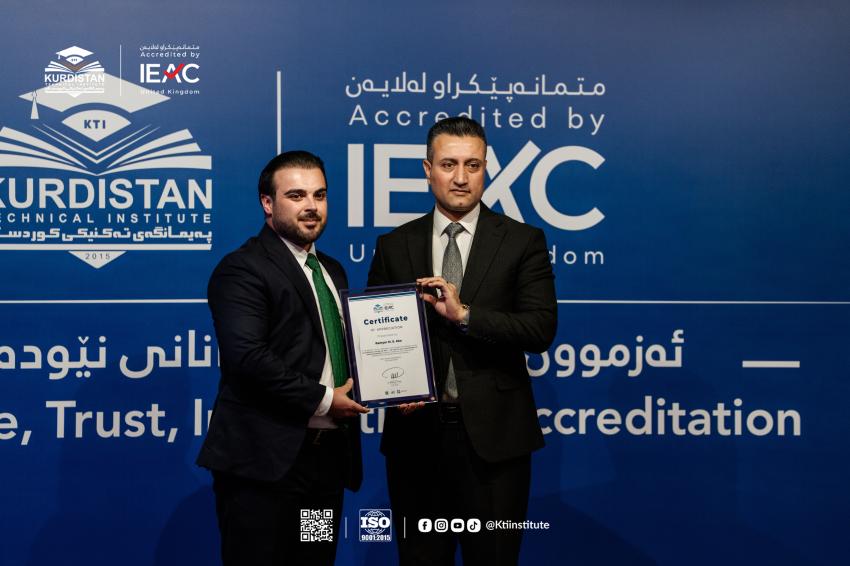
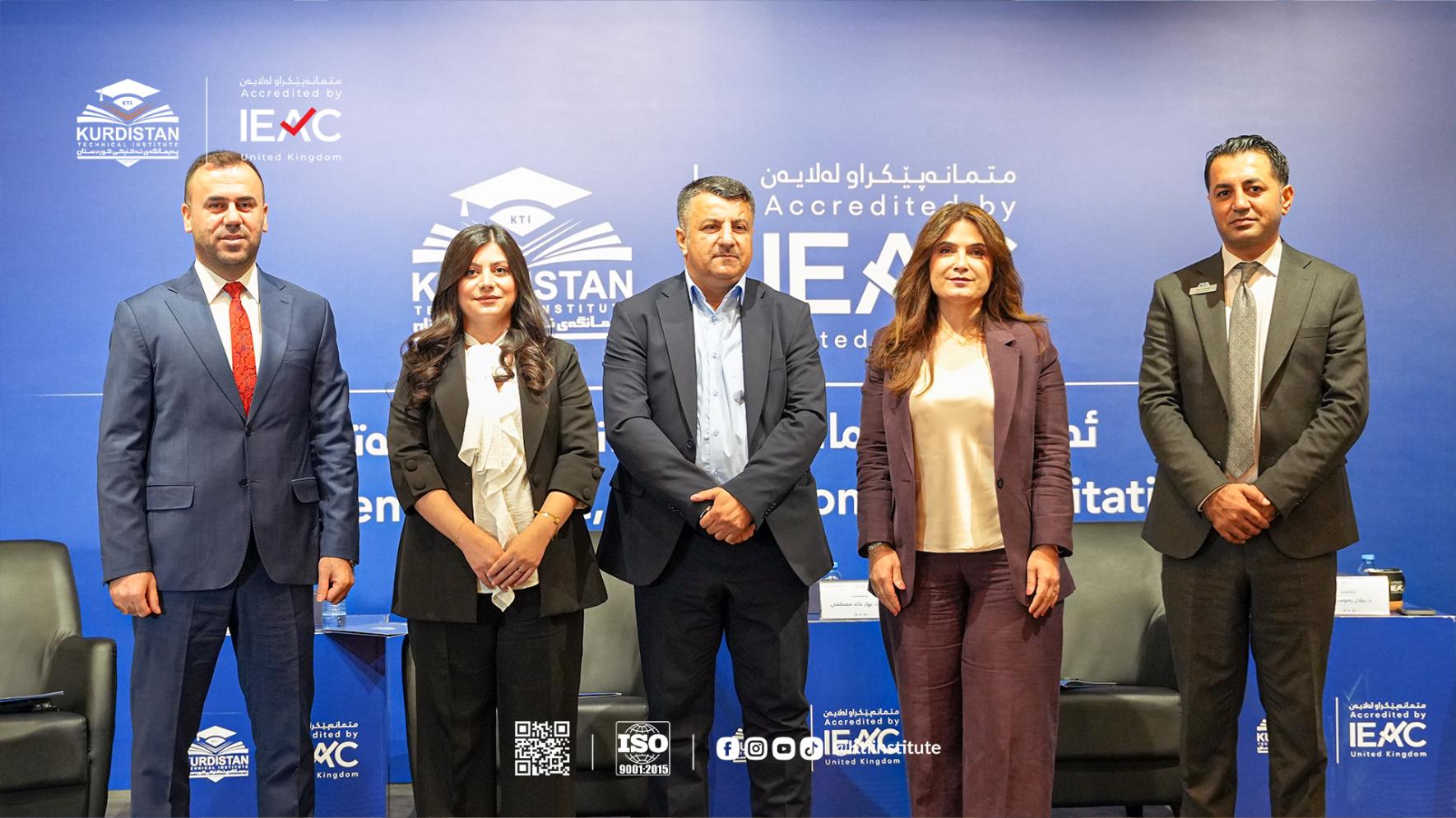
The panel concluded with an engaging Q&A session, providing attendees the opportunity to discuss forward-looking strategies for financial and economic stability in Iraq and the Kurdistan Region. Following the discussions, certificates of appreciation were presented to the panelists in recognition of their valuable scientific contributions.
Kurdistan Technical Institute continues to stand as an active academic platform, committed not only to theoretical education but also to analyzing critical national challenges and proposing scientific solutions to support the community and the labor market.