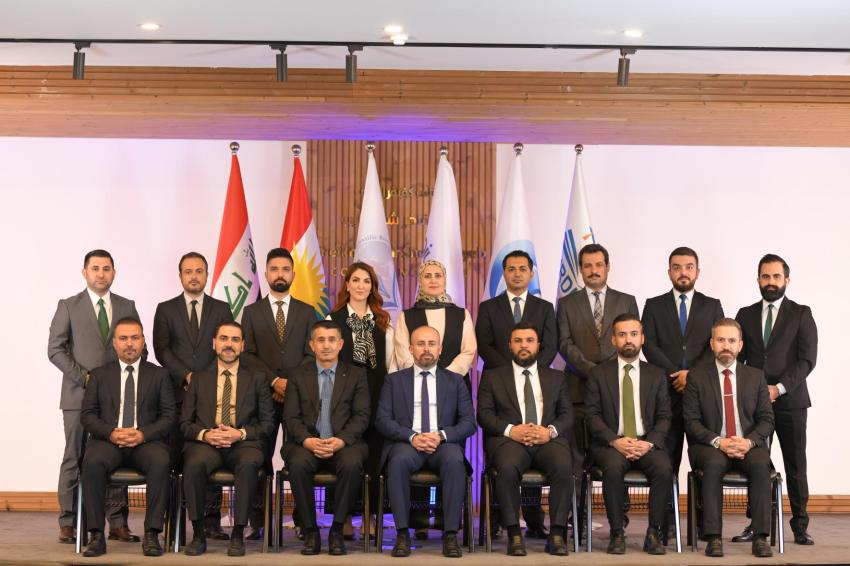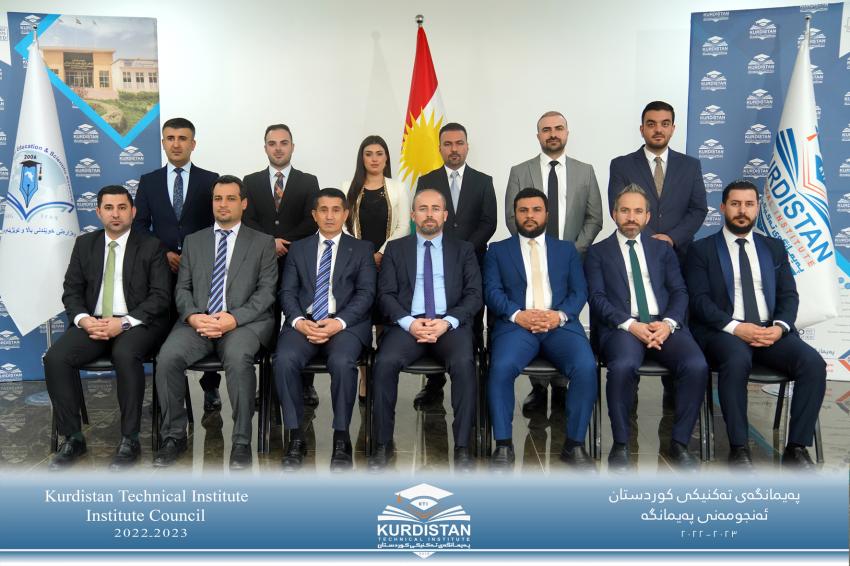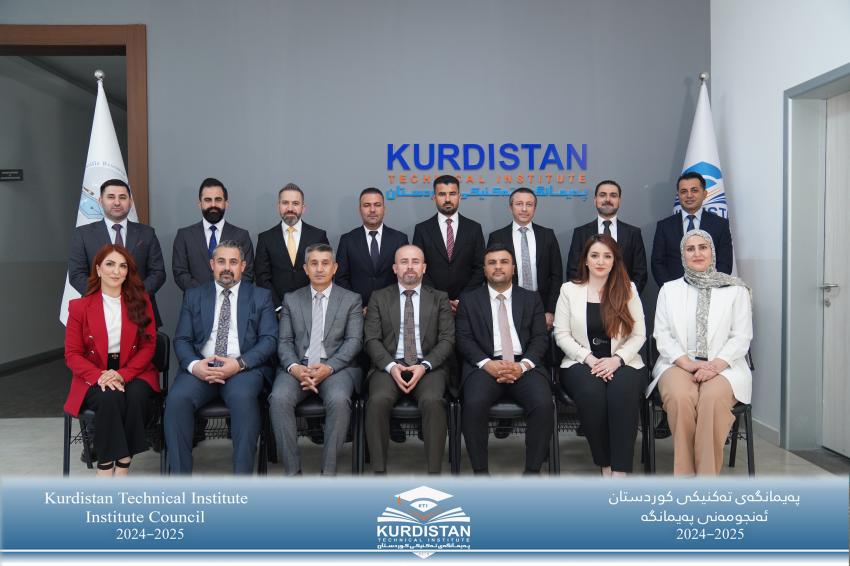
2024-2025
Date : 19 - Oct - 2023
Background
Kurdistan Technical Institute (KTI) officially adopted the Bologna Process framework for its academic system, aligning its diploma programmes with international standards and paradigms. The decision followed approval by the Institute\'s Board of Trustees in Meeting No. 7 (21 July 2016), and implementation began in the 2016–2017 academic year under Institute Decree No. 324 (19 April 2016), which established a dedicated Bologna Process Committee.
The Committee has met regularly since its formation, reporting its minutes to the Board of Trustees for decision-making. As part of its preparation, the Committee visited the Ministry of Higher Education and Scientific Research of the Kurdistan Region and the University of Human Development (UHD) to study the framework\'s implementation requirements in depth. KTI has also conducted several workshops on launching the Bologna Process, bringing in local and international experts, and has collaborated closely with Universiti Teknologi Malaysia (UTM). Many of KTI\\'s own faculty completed their studies abroad in the UK, Europe, Malaysia, and Turkey in institutions that themselves follow the Bologna framework, giving the Institute direct, first-hand expertise in its implementation.
Purpose
KTI continually adapts its education system to modern labour-market needs, drawing on practices from developed education systems to modernise its teaching programmes, strengthen quality assurance, and embed the principles of lifelong learning. Central to this is a shift from a memorisation-based model to a genuinely learning-centred one, placing the student at the core of the educational process the guiding rationale behind KTI\'s formal adoption of the Bologna Process.
Admission and Academic Calendar
Admission follows procedures set by the Board of Trustees in accordance with the instructions of the Ministry of Higher Education and Scientific Research of the Kurdistan Region. Semester start and end dates are reviewed annually and approved by the Institute\'s Scientific Committee in line with the academic calendar.
Key Terminology
| English | Kurdish |
|---|---|
| Semester | سیمستەر |
| Module | وانە |
| European Credit Transfer System (ECTS) | کریدیت |
Credit System (ECTS)
Assessment Structure
Progression Rules
Quality Assurance
The Quality Assurance Directorate oversees compliance with Bologna Process requirements, conducts staff workshops on its implementation, and maintains the official archive in coordination with the Ministry of Higher Education and Scientific Research.
Oversight
Scientific and Quality Assurance directorate supervises the Bologna Process across the Institute, covering credit distribution, grade allocation, documentation review, module objectives, and examination design. Where this function sits within the Quality Assurance Directorate, it is recommended that each Quality Assurance Coordinator and departmental Bologna Process representative be allocated at least 4 hours per week for this responsibility.

Sulaimani Heights, Dabashan Road,Sulaymaniyah, Kurdistan, Iraq
2023 © Owned by KTI
Visitor : 2240614